Sunday, 30 August 2020

Is It a Good Idea to Consider Bin Size Before Renting One


Not everyone has the innate ability to accurately estimate the size and weight of material that can comfortably fit into its eventual container. If that were the case, there would be far less people walking around in Lulu Lemon track pants. When it comes to estimating the amount of waste, debris, junk, demolition or construction materials you have to get rid it of, it’s not always easy to imagine what that would look like neatly packed into your
 waste bin rental.

Size Matters When It Comes to Waste Bins

Before you can start clearing out your space of unwanted materials, it’s a good idea to consider the bin size you may need to accommodate all those materials. When considering your junk bin rental options, people often put the cart before the horse, ordering the bin without really considering what they need. Arrange a bin rental Toronto that’s too big and you’ve overpaid for what you need; order a waste bin rental that’s too small, and you wind up forking out more money for another junk bin rental delivery.

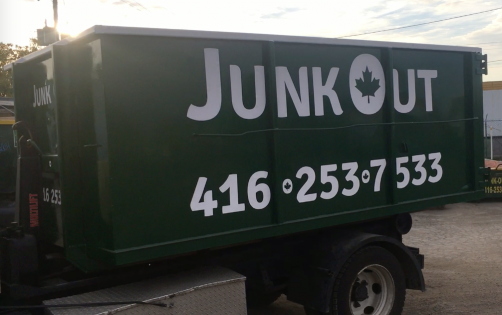
Here are the things you need to know about the bin sizes available from Junk Out, one of Toronto’s leading waste bin rental companies.

5 cubic yard bins. This bin measures 12 feet by 5 feet by 2 feet high and is normally used for disposal of aggregate materials like concrete block, bricks or soil and dirt. Disposing of old cement like shed foundations or old sidewalk is difficult. You can’t leave it curbside and hauling it to the dump is difficult without a proper vehicle. This bin can hold a good amount of aggregate and should always be first consideration when removing such material.


For Read more about is it a good idea to consider bin size before renting one click here...

Thursday, 9 July 2020

How to Reduce Air Pollution During Demolition of a House


There’s nothing like a good demolition to release the aggression. Then again, knocking down walls and ceilings, ripping up flooring, and breaking up concrete also releases a lot of pollution into the air. From toxic crystalline silica found in cement to age-old asbestos and other outdated insulation, demos and Renos can take your breath away – literally. Take it from the demolition specialists at Junk Out; there’s steps you need to take to protect yourself from airborne pollutants during any house demolition.

Three Things You Can Do to Reduce Airborne Pollution During a Demo

You’d think there would be a lot less hassle involved in demolishing something. Take the average garage demolition for example. It’s not as simple as inviting some friends over and letting them go crazy with a sledgehammer. There are safety standards that have to be adhered to, possibly permits required, and a well-thought-out plan to help mitigate the spread of airborne particulates, especially if you’re not sure what’s in the walls of that garage. Your flower-planting environmentalist neighbour would be rather upset to see her pansies covered in powder. Getting rid of the demolition waste is as easy as booking a Garbage bin rental from Junk Out. For the dust, you should follow these steps.
Read original content Click here...

Thursday, 18 June 2020

How Renting Disposal Bins Can Increase the Efficiency of Your Business


When you’re building your business, worrying about how to deal with the garbage created is not always high on the list of immediate priorities. However, the amount of waste your operation generates requires a strategy on how to deal with it; from daily storage to ultimate removal. One efficient method is setting aside a budget for a disposal bin rental.

Increase Your Efficiency and Reduce Costs of Garbage Disposal


Effective waste management begins when a company determines the best way to handle the trash they create. That could mean something as simple as a regular garbage bin rental for a small office operation to establishing a quarterly dumpster plan for manufacturing and construction businesses that wind up with a lot of residual waste. Regardless of what their focus may be, businesses with a brick and mortar presence need to develop effective ongoing waste management solutions, often to comply with property leasing agreements or simply to keep the operations streamlined and clean. Specialized offices or distribution facilities might need hands-on service to facilitate garbage removal, or waste bin rental to allow for weekly disposal of materials like office waste and disposable packaging. In most cases, businesses of any substantial size can’t rely on curb-side pickup to handle the large volumes of waste created by employees or in the course of doing business.

Read original content Click here...

Tuesday, 26 May 2020

The Cost of Garage Demolition


The high cost of housing has more property owners considering renovation over purchasing new. For some, that means taking a good hard look at all the possibilities involved in a redesign, and that includes new plans for any existing garage structure. When you’ve come to a conclusion that the garage must go, it’s time to call Junk Out to discuss the cost of garage demolition.

Things to Consider When Demolishing Your Garage


There are two basic steps involved in demolishing your garage:

1. Getting a permit
2. Working out the logistics including cost

It’s not any more complicated than that. Before you start demolishing an attached garage, you must secure a proper permit from your municipality. Receiving a fine for moving forward without having a permit issued will certainly add to your demolition cost. Once you receive it, you can start to work out the logistics of your garage demolition and removal cost. When demolishing an attached garage, you are removing both the structure and the foundation, so you will need to consult with a structural engineer. Understand that removing an attached garage over a detached garage or shed will certainly add to the cost of your garage demolition.

So what are the biggest expenses involved in a garage demolition and removal cost? Naturally, the overall cost will depends on the size of the structure, the materials from which it is made and the location. However, regardless of those variables, the disposal and labour involved in a garage demolition will always be the two determining factors in your demolition cost.

Read original content Click here …

Monday, 20 April 2020

Find Out What Goes In The Green Bin


It may not cover all the colours of the rainbow, but your waste collection efforts can be determined by an array of green, grey and blue. Waste collection innovators have devised a great system to help municipalities and other great waste generators to divert various materials into recycling programs. The question many people cleaning out properties have is, what actually is allowed in a JUNK OUT green bin once you’ve arranged your garbage bin rental?When you arrange your green junk bin rental from Junk Out, it’s important to know what you can toss and what has to be funneled into a different bin. In reality, there are four distinct categories of waste acceptable for green bin recycling: food waste, yard waste, pet waste and miscellaneous recyclables. Let’s start with food waste items. Anything bound for human consumption – regardless of whether you think vegan diets can be classified as suitable human food – can go in the green bin. That includes remnants of all the food groups, from fruits, vegetables and meats to pits, skins, meat bones, seafood shells, bread crusts, pastries, condiments, and mouldy cheese. Scrape your plates of organic waste materials directly into your green bins; in addition, you can toss cooking oils, fats and grease – along with greasy paper towels. Yard wastes acceptable for green bin recycling include leaves and plants, small twigs, hedge clippings, weeds, cones and needles, hay, straw and flowers. While many city recycling programs won’t accept grass clippings, you can direct grass into your garbage bin rental cost includes grass recycling. Pet waste includes the obvious fecal gifts left by your pets, along with all types of kitty litter, animal bedding from pet cages, bags of pet fur, hair or feathers to expired pet food, treats, rawhide bones and birdseed. Miscellaneous recyclables include a variety of items. For example, while most paper products should go in a grey bin, things like food-soiled paper plates, towels and napkins, coffee grounds, coffee filters and tea bags, popsicle sticks, toothpicks, untreated lumber, charcoal barbecue ashes and even used facial tissues can all be put in a green bin.


Read original content Click here …

Thursday, 12 March 2020

What to Do with That Backyard Shed


When you’re done cleaning out the inside of your home, household spring clean ups wind up targeting the shed or garage, spaces that are historically filled with unwanted or under used junk. However, what do you do when it’s the shed or garage you want to remove as part of your clean-up? In some cases, it’s necessary to call Junk Out, a company that specializes in demolition Toronto.

Steps to Follow When You Want to Shed the Shed
Removing an old shed from your property is easier than removing an entire garage. The costs involved in removing the shed are cheaper than a full garage demolition. The price to demolish a shed vary based on the materials with which the shed was built, and access to the site in question. For example. removing a sheet metal shed could cost anywhere from $500 to $2,500 depending on the size of the shed, whether or not contents have to be removed and how the shed was built and anchored. You can reduce those costs by ensuring the shed is completely empty prior to hiring a demolition Toronto company.

For more details click here..

Tuesday, 12 November 2019

Noise Control Strategies for Demolition

demolition cost

With a high percentage of Canadians living in primarily urban areas, you’d think people would be used to noise, and for the most part, they are. What irks people most is when unexpected noise disrupts their lives – like the kind of inescapable noise related to demolition projects, both residential and commercial. To address this, it’s important to factor in noise control strategies when considering demolition cost.

Noise Reduction Strategies for Demolition

Let’s say you’re planning on a full residential garage demolition. There are definitely steps that can be taken to help reduce the impact of noise on neighbouring residents. The Noise Bylaw provides standards for noise in Toronto. This includes decibel limits and time restrictions for some types of noise. Applications for noise exemptions to work outside of the permitted hours are available as long as they meet the application requirements. To ensure compliance, the first step to take when undertaking a garage demolition is to do some homework to determine how high noise levels might climb considering the scope of the job and the equipment being used. It would probably also be a good idea to let neighbours know there will be periods of noise during the demolition. Working collaboratively with neighbours can help mitigate any issues or complaints. In addition, taking steps to monitor and control noise during both exterior and interior demolition Toronto projects is simply a smart move. Restricting work hours to formal business hours is also a good strategy; however, given the nature of large cities, there will always be people who work at night and sleep during the day. That reality cannot be avoided, but it can be handled in a sensitive manner. Sticking to a reasonable schedule and restricting use of the loudest machinery to certain times in the day helps minimize disturbance to those mostly affected by the demolition work.

For more details click here..